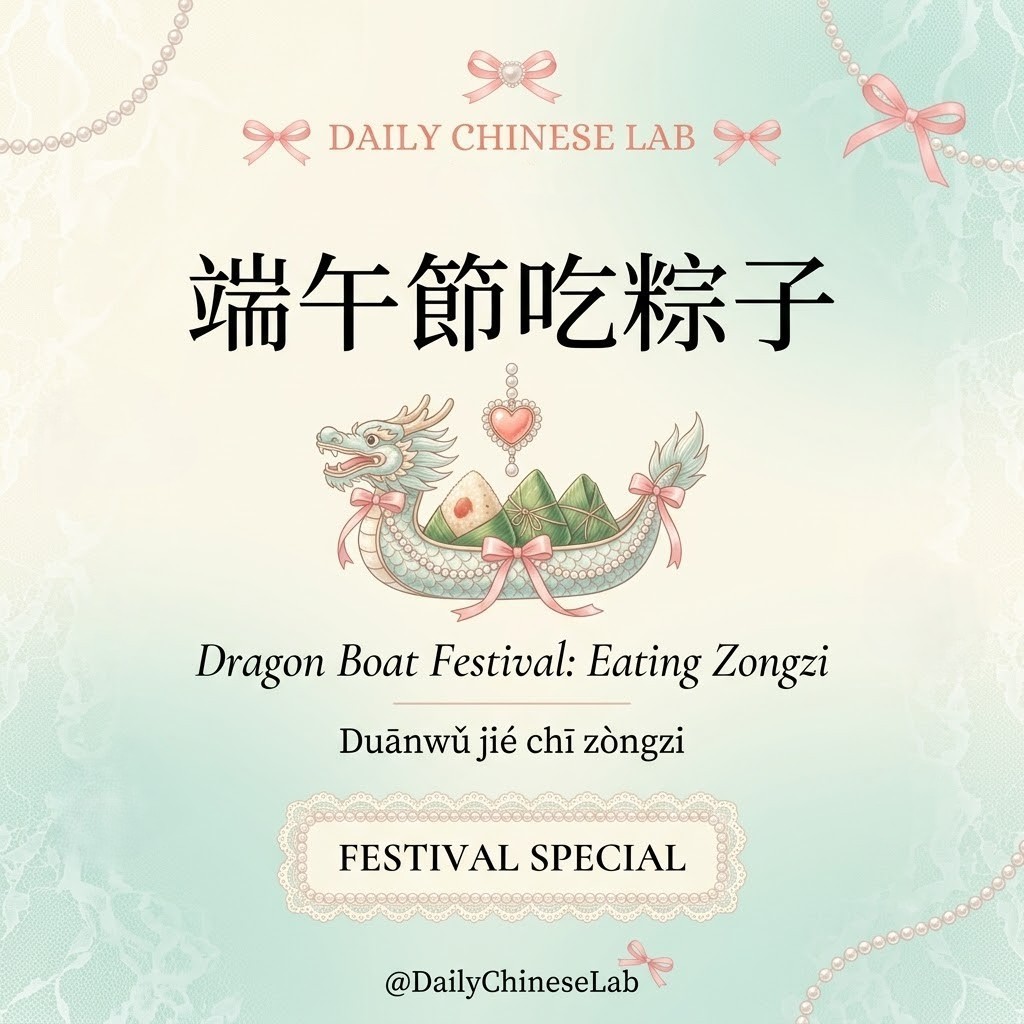
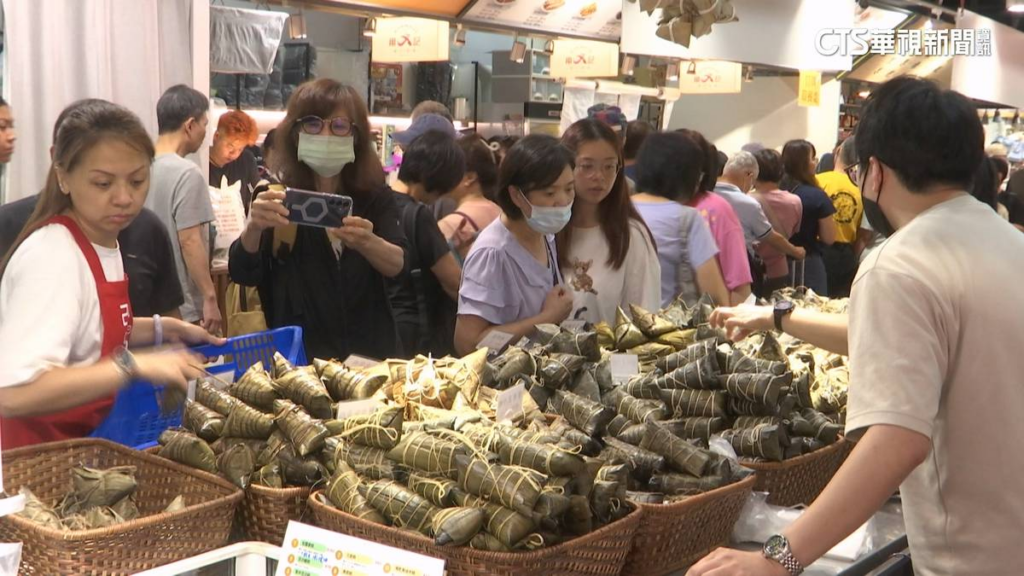
This article explores the traditional custom of eating zongzi during the Dragon Boat Festival, reflecting on the bustling holiday atmosphere at Nanmen Market. It details the preferences for Northern versus Southern zongzi and addresses recent price hikes due to rising ingredient and labor costs.
中文單字 Chinese Vocabulary
- 端午節 (Duānwǔjié) – Dragon Boat Festival
- 粽子 (zòngzi) – Rice dumpling / Zongzi
- 市場 (shìchǎng) – Market
- 排隊 (páiduì) – To line up / To queue
- 買不到 (mǎibúdào) – Unable to buy
- 北部粽 (běibùzòng) – Northern-style zongzi
- 南部粽 (nánbùzòng) – Southern-style zongzi
- 漲價 (zhǎngjià) – To increase in price
- 材料 (cáiliào) – Ingredients / Materials
- 應景 (yìngjǐng) – To suit the occasion / Seasonal
對話內容 Chinese Conversation / Dialogue
小明: 美美,今天是端午節,妳吃粽子了嗎?
(Měimei, jīntiān shì Duānwǔjié, nǐ chī zòngzi le ma?)
Meimei, today is the Dragon Boat Festival, have you eaten zongzi yet?
美美: 還沒呢!我現在要去南門市場買粽子。
(Hái méi ne! Wǒ xiànzài yào qù Nánmén Shìchǎng mǎi zòngzi.)
Not yet! I am going to Nanmen Market to buy zongzi right now.
小明: 聽說今天市場的人非常多,排隊要排很久。
(Tīngshuō jīntiān shìchǎng de rén fēicháng duō, páiduì yào pái hěn jiǔ.)
I heard there are so many people at the market today, and the line is very long.
美美: 對啊,有的人很早去,還是買不到。
(Duì a, yǒu de rén hěn zǎo qù, háishì mǎibúdào.)
Yes, some people went very early but still couldn’t buy any.
小明: 妳喜歡吃北部粽還是南部粽?
(Nǐ xǐhuān chī běibùzòng háishì nánbùzòng?)
Do you like eating Northern zongzi or Southern zongzi?
美美: 我比較喜歡吃北部粽,因為裡面的肉很香。
(Wǒ bǐjiào xǐhuān chī běibùzòng, yīnwèi lǐmiàn de ròu hěn xiāng.)
I prefer Northern zongzi because the meat inside is very fragrant.
小明: 可是聽說今年的粽子漲價了,一顆要多五到十塊。
(Kěshì tīngshuō jīnnián de zòngzi zhǎngjià le, yī kē yào duō wǔ dào shí kuài.)
But I heard that zongzi prices increased this year, each costs five to ten dollars more.
美美: 真的嗎?老闆為什麼要漲價呢?
(Zhēnde ma? Lǎobǎn wèishénme yào zhǎngjià ne?)
Really? Why did the shopkeepers raise the prices?
小明: 因為豬肉、蛋黃還有材料都變貴了,工資也很貴。
(Yīnwèi zhūròu, dànhuáng háishì cáiliào dōu biàn guì le, gōngzī yě hěn guì.)
Because pork, egg yolk, and other ingredients have become more expensive, and labor is costly too.
美美: 雖然變貴了,但是過節還是要吃一顆粽子應景。
(Suīrán biàn guì le, dànshì guòjié háishì yào chī yī kē zòngzi yìngjǐng.)
Although it’s more expensive, we still need to eat a zongzi to mark the occasion.
小明: 那妳幫我買兩顆北部粽吧,謝謝妳!
(Nà nǐ bāng wǒ mǎi liǎng kē běibùzòng ba, xièxie nǐ!)
Then please help me buy two Northern zongzi, thank you!
美美: 沒問題,我買到以後打電話給你。
(Méi wèntí, wǒ mǎidào yǐhòu dǎ diànhuà gěi nǐ.)
No problem, I will call you after I buy them.
問題延伸 Chinese Practice Questions
一、文章理解是非題 (True or False Questions)
- ( ) 今天是端午節,南門市場沒有什麼人,大家都不想買粽子。
- ( ) 美美比較喜歡吃北部的粽子,因為肉很香。
- ( ) 因為豬肉、蛋黃和工資變貴了,所以今年的粽子漲價了。
二、問題討論 (Discussion Questions)
- 在你的國家,人們過傳統節日的時候會吃什麼特別的食物?
- 如果傳統節日的食物漲價了,你還會想買來吃嗎?為什麼?